Brake Repair in Bloomfield, NJ
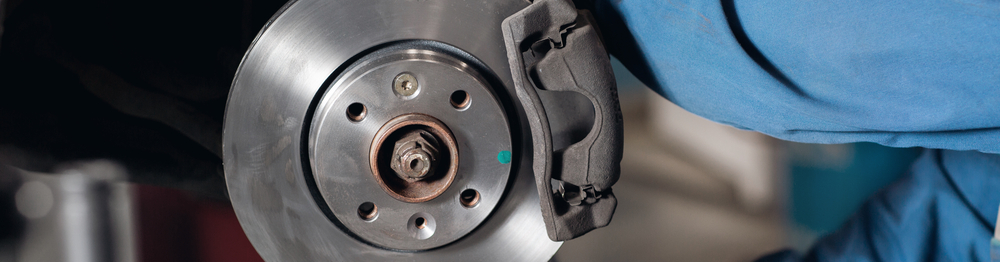
Professional Brake Repair in Bloomfield, NJ
Your vehicle’s braking system depends on several components working together to provide controlled and predictable stopping performance. Brake pads, rotors, calipers, hydraulic components, brake fluid, hoses, and electronic safety systems may all contribute to how the vehicle responds when you press the brake pedal.
Drivers looking for brake repair in Bloomfield can begin through the Lynnes Automotive Group service department. Our service network connects customers with Hyundai, Nissan, and Subaru service locations in Bloomfield, as well as support for other makes and models.
Brake symptoms should be inspected rather than diagnosed from sound alone. A squealing noise may involve a wear indicator, while grinding can suggest more advanced component wear. Vibration, pulling, pedal changes, warning lights, and increased stopping distance can have different causes. A technician can examine the system and explain which components require attention.
You can use our directions page to plan your visit or contact Lynnes Automotive Group with questions about scheduling and service availability.
Signs Your Vehicle May Need Brake Service
Brake components wear gradually, and the rate of wear depends on vehicle weight, road conditions, traffic, driving habits, component design, and maintenance history. Frequent stop-and-go driving can place different demands on the braking system than steady highway travel.
Common warning signs include:
- Squealing, squeaking, grinding, or scraping noises.
- A soft, spongy, or unusually firm brake pedal.
- Vibration or pulsation while braking.
- The vehicle pulling to one side while slowing down.
- A brake warning light or ABS warning light.
- A longer stopping distance than normal.
- A burning smell after repeated or heavy braking.
- Visible fluid near a wheel or beneath the vehicle.
A sudden loss of braking performance, a pedal that travels unusually far, a brake-fluid leak, or a red brake-system warning may require immediate attention. Do not continue driving normally when the vehicle cannot be stopped safely or predictably. Contact a service professional and arrange appropriate assistance.
What Is Checked During a Brake Inspection?
A brake inspection helps determine the condition of accessible braking components and identify the source of a symptom. The procedure may vary by vehicle, but technicians commonly review pad thickness, rotor condition, caliper operation, visible hydraulic components, brake-fluid condition, and warning-light information.
A brake service visit may include:
- Measuring the remaining brake pad material.
- Inspecting rotors for wear, scoring, heat damage, or variation.
- Checking calipers and related hardware.
- Looking for visible brake-fluid leakage.
- Inspecting accessible hoses and hydraulic components.
- Reviewing brake and ABS warning lights.
- Evaluating vibration, noise, pulling, or pedal concerns.
- Providing repair recommendations based on measured condition.
Not every brake concern requires the same repair. Some vehicles may need brake pads, while others may require rotors, caliper work, hydraulic repairs, fluid service, electronic diagnosis, or attention to another component. Inspection results help avoid replacing unrelated parts.
Brake Pad and Rotor Replacement
Brake pads create friction against the rotor to slow the vehicle. Both components are designed to wear over time, although their service life can vary considerably. Waiting until brake pads are completely worn can allow the pad backing material to contact the rotor, potentially increasing the extent of the repair.
Rotors must also meet specifications for thickness and condition. Depending on the vehicle and the amount of wear, a technician may recommend rotor replacement when completing brake pad service. The goal is to restore smooth, balanced braking while following applicable manufacturer and component guidelines.
When replacement components are required, the Lynnes parts department can help support the repair process with parts selected for the vehicle.
How Tires and Alignment Affect Braking
The braking system is only one part of the vehicle’s stopping performance. Tires provide the contact point between the vehicle and the road, so low tread, improper inflation, uneven wear, or tire damage can reduce traction. Drivers can learn more about tire repair in Bloomfield or visit the Lynnes tire center for tire-related support.
Pulling or unusual tire wear may also involve alignment or suspension concerns rather than the brakes alone. Our wheel alignment page explains common alignment symptoms and the inspection process.
Benefits of Timely Brake Repair
Addressing brake concerns promptly can help:
- Maintain predictable stopping performance.
- Reduce noise and vibration caused by worn components.
- Prevent worn pads from damaging related brake parts.
- Identify hydraulic or electronic concerns earlier.
- Support even and controlled braking.
- Create a clearer plan for upcoming maintenance.
A broader multi-point inspection can also help identify tire wear, fluid concerns, lighting issues, or other visible maintenance needs during the visit.
Schedule Brake Repair in Bloomfield
If your vehicle is producing brake noise, vibration, pulling, warning lights, or pedal changes, schedule an inspection with Lynnes Automotive Group. Describe when the symptom occurs, how long it has been present, and whether recent brake or tire work has been completed. Clear information can help the service team reproduce the concern and prepare for the appointment.
Frequently Asked Questions About Brake Repair in Bloomfield, NJ
How do I know when my brake pads need replacement?
Common signs include squealing, grinding, reduced braking performance, or a brake wear warning. The most accurate method is to have the remaining pad material measured during an inspection.
Why does my steering wheel vibrate when braking?
Brake vibration may involve rotor variation, component wear, tire issues, suspension problems, or other causes. An inspection is needed to identify the source before repairs are recommended.
Can I continue driving when my brakes are grinding?
Grinding may indicate advanced brake wear or contact between metal components. Continuing to drive can increase damage and affect stopping performance, so the vehicle should be inspected promptly.
Can Lynnes Automotive Group service different vehicle brands?
Yes. The Lynnes Automotive Group service network supports Hyundai, Nissan, Subaru, and other makes and models. The appropriate service location may depend on the vehicle.